

Prices on this page were verified in February 2026. Visa fees may change — check GOV.UK for the latest.
Why summer?
Every year, thousands of international students travel to the UK between June and August to study English. Summer is peak season for language schools: the weather is warmer, the days are longer, and schools run dedicated programmes that combine classroom tuition with activities, excursions, and social events that are not available during the rest of the year.
Whether you are a teenager preparing for school, a university student using the break productively, or an adult fitting study around a holiday, a summer English course offers an immersive experience that is hard to replicate at home.
Who are summer English courses for?
Summer programmes in the UK cater to three main groups:
Juniors (ages 5 to 17) — Residential and day courses designed specifically for children and teenagers. These typically include 15 to 20 hours of English tuition per week, plus organised activities such as sports, arts, drama, and full-day excursions. Accommodation is often included, either in a school residence or with a vetted host family.
Adults (18+) — General English, intensive, and exam preparation courses that run on a summer schedule. Adults can combine study with sightseeing, and many schools offer special summer electives like English plus photography, business, or culture.
Families — Some schools offer parallel programmes where parents study in an adult class while their children attend a junior course at the same school or a nearby campus. This is a growing niche and worth asking about if you are travelling as a family.
What is included?
Summer courses vary widely in what the price covers. Before comparing, check exactly what is bundled in:
- Tuition — 15 to 25 hours of classroom English per week, usually in groups of 10 to 15 students
- Activities and excursions — Afternoon and evening activities (sports, quizzes, movie nights), plus at least one full-day excursion per week to places like Oxford, Cambridge, or the seaside
- Accommodation — Residential packages include full-board accommodation on campus or at a partner facility. Homestay packages place students with local families who provide meals and a home environment. Course-only options let you arrange your own accommodation
- Meals — Residential packages typically include breakfast, lunch, and dinner. Homestay packages usually include breakfast and dinner
- Transfers — Airport pickup and drop-off are included in many junior packages but are usually an extra cost for adult courses
- Insurance and supervision — Junior residential courses include 24-hour supervision and often welfare insurance. Adults are expected to arrange their own travel insurance
If you are comparing a course-only price with a residential package, remember the residential figure includes board, lodging, and activities — it is not a fair like-for-like comparison on tuition alone.
Where to study
Summer English courses run across the UK, from London and the south-east to Bristol, Birmingham, Ipswich, Portsmouth, and beyond.
London remains the most popular choice, with the widest range of programmes for different age groups, from young children through to teenagers, with both day and residential formats.
Outside London, smaller cities offer a different experience: lower costs, a more relaxed pace, and often a higher ratio of English speakers in the local community. Cities like Bristol, Birmingham, and Portsmouth all have accredited schools running dedicated summer programmes.
Use the Course Finder to filter by course type, age group, and city. You can also browse all Young Learner courses to see what is available.
How much do summer courses cost?
Prices vary depending on what is included and where you study. Here is a snapshot of real prices from courses currently listed on UK Study English:
| Package Type | Weekly Price Range | What’s Included |
|---|---|---|
| Course only | £283 – £325 | Tuition and basic materials |
| Course + activities | £425 – £560 | Tuition, afternoon activities, excursions |
| Homestay package | £535 – £870 | Tuition, activities, host family, meals |
| Residential package | £870 – £1,040 | Tuition, activities, on-site accommodation, all meals |
Course-only options start from around £283 per week for younger learners outside London. At the other end, a residential programme with en-suite accommodation, full board, and a packed activity schedule can reach £1,040 per week.
The biggest factor is not the tuition itself but the accommodation and extras. A residential summer school in an English boarding school with all meals, laundry, and supervised evening activities will always cost more than a tuition-only course where the student lives at home or arranges their own lodging.
When to book
The best summer programmes fill up early — particularly popular weeks in July and the first half of August. Schools start taking bookings from January onwards, and some programmes sell out by April.
If you have specific dates or a preferred school in mind, booking by March or April gives you the best chance of securing a place. Last-minute spaces do become available, but choice is more limited and the most popular options will be gone.
Visa processing also takes time. If you need a Short-term Study Visa, allow at least 3 to 4 weeks for the application. Start the process as soon as you have your course booking confirmation.
Summer courses vs year-round courses
Summer programmes differ from standard year-round courses in several ways:
- Fixed dates — Most summer courses run for set periods (typically 1 to 8 weeks between mid-June and late August) rather than offering rolling weekly start dates
- Activity focus — Summer programmes dedicate significant time to activities, excursions, and social events. Year-round courses are more classroom-focused
- Mixed nationalities — Schools actively manage nationality mix in summer to create an international environment. You are more likely to study alongside students from 10 or more countries
- Junior-specific provision — Many schools that teach adults year-round only accept juniors during the summer, when they have the staff and facilities to provide age-appropriate supervision
- Higher demand, higher prices — Summer is peak season. Prices are typically 10 to 20 percent higher than equivalent courses during the rest of the year, and accommodation costs also rise
For adults who want maximum classroom time and lower costs, autumn or spring may be better. For juniors, summer is usually the only option, and the activity-rich format is a large part of the appeal.
Next steps
Browse summer courses on UK Study English using the Course Finder. You can filter by age group, city, dates, and price to find the right programme.
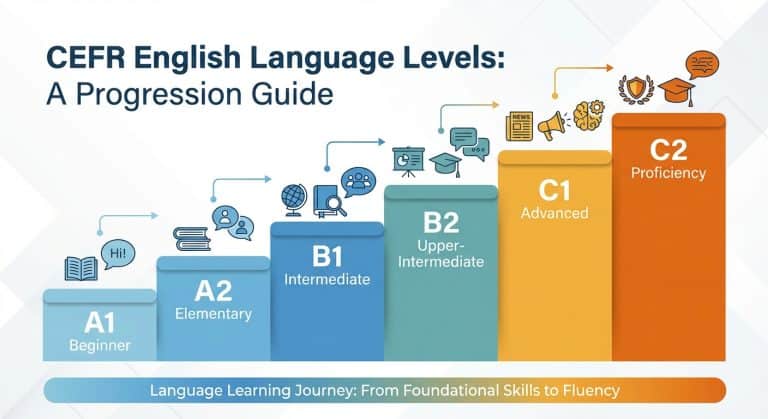
If you are not sure which level you need, take our free English level test — it takes about 30 minutes and gives you a CEFR result (A1 to C2) that will help you pick the right course.
For adult students considering homestay accommodation alongside a summer course in London, London Homestays arranges vetted host families across London who are experienced in hosting international students.
Frequently asked questions
What age are summer English courses for?
Most junior summer courses accept students aged 8 to 17, though some schools cater to younger children from age 5. Adult summer courses are for students aged 18 and over. Some schools offer family programmes where parents and children study at the same school.
Do I need a visa for a summer English course?
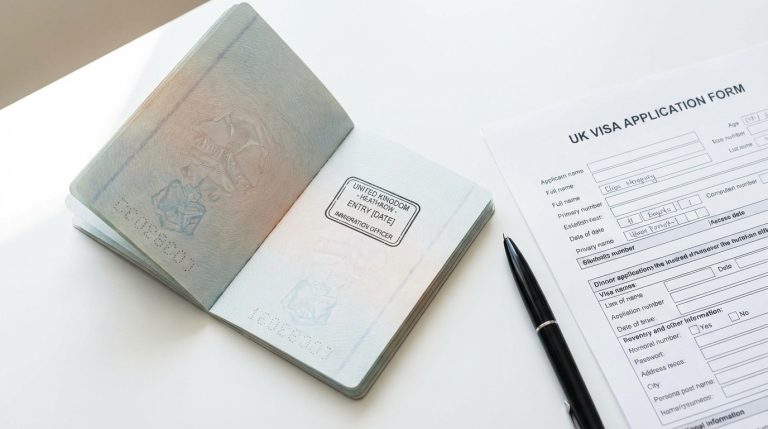
It depends on your nationality. Many nationalities can study in the UK for up to 6 months without a visa, entering as a Standard Visitor. If you do need a visa, a Standard Visitor Visa covers courses of up to 6 months and costs £127. Courses longer than 6 months (up to 11 months) require a Short-term Study Visa at £214. See our student visa guide for full details.
Is accommodation included in the price?
It depends on the package. Course-only options cover tuition only. Homestay packages include a host family with meals. Residential packages include on-site accommodation with all meals. Always check what is included before comparing prices.
How long are summer courses?
Most programmes offer bookings of 1 to 8 weeks between mid-June and late August. Some schools have fixed 2-week or 4-week blocks, while others allow weekly bookings. The most common booking length is 2 to 4 weeks.
Are summer courses accredited?
Every school listed on UK Study English is accredited by the British Council or an equivalent recognised body, including their summer programmes. Accreditation means the school meets national standards for teaching quality, facilities, and student welfare.
What level of English do I need?
Most summer courses accept all levels from complete beginner (A1) to advanced (C1). Students are placed into classes based on a level test taken on the first day. You do not need any previous English study to join a beginner group.