

Accommodation prices on this page were verified in February 2026. Rates vary by season and provider — contact London Homestays or UK Student Residences for the latest.
Why book accommodation alongside your English course?
Choosing where to live is one of the biggest decisions you will make when studying English in the UK. The right accommodation affects how quickly you improve your English and how comfortable you feel in a new country.
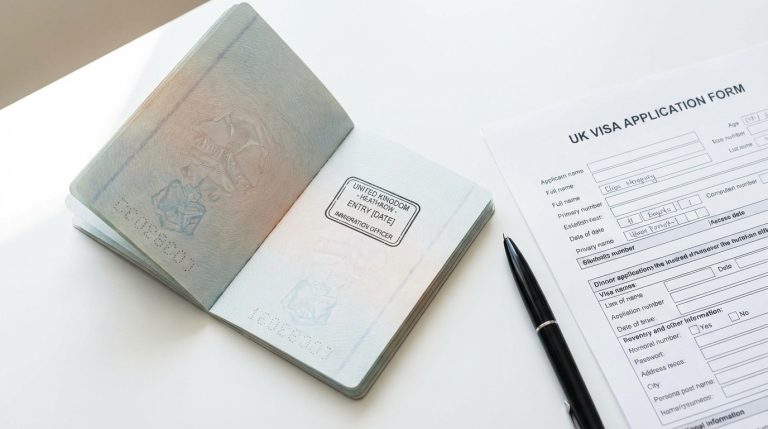
Many students find it easier to arrange accommodation at the same time as their course, rather than trying to find somewhere after they arrive. Booking in advance means everything is confirmed before you travel, which also helps if you need to show proof of accommodation for your visa application.
Accommodation options for English language students
Homestay: live with a British host family
A homestay places you with a local family in their home. You will have your own bedroom and usually share meals with your host. This is the most popular option for English language students.
Living with a host family means you practise English every day outside the classroom, at breakfast, over dinner, and during everyday conversations. Your host can help you settle in, explain how things work in the UK, and show you what daily British life is actually like.
Homestay typically costs between GBP 180 and GBP 350 per week depending on the city, with meals included. When you factor in food costs, this often works out cheaper than renting independently.
For homestay accommodation in London, visit London Homestays, which has been matching international students with host families since 2009.
Student residence: purpose-built student living
Student residences are buildings designed specifically for students, with private or shared rooms, communal kitchens, and social spaces. They offer independence with the convenience of everything being set up for you. Bills are included and there are no deposits to worry about.
Residences are popular with students who want to meet other international students and prefer a more independent lifestyle. Weekly costs range from GBP 350 to GBP 700 in London, and GBP 250 to GBP 500 in other cities. Most require a minimum stay of a month or longer.
UK Student Residences offers accommodation in key student cities across the UK.
Private rental: shared flats and houses
Renting a room in a shared flat or house is possible but generally more practical for longer stays. Most landlords require a minimum lease of six to twelve months, plus a deposit of up to five weeks’ rent upfront (capped by law). You will also need to set up utility accounts and arrange contents insurance.
For language courses of a few weeks or months, homestay or student residence is usually more straightforward and better value when you account for bills, food, and the hassle of setting up a tenancy from abroad.
How to choose the right accommodation
The best option depends on your priorities:
| If you want… | Consider |
|---|---|
| Maximum English practice outside class | Homestay |
| Experience of real British family life | Homestay |
| Meals included in the price | Homestay (half-board or full-board) |
| Independence and social life with other students | Student residence |
| No cooking or cleaning responsibilities | Homestay (full-board) |
| Short stay (1 to 4 weeks) | Homestay |
| Longer stay (3 to 6 months) | Homestay or student residence |
What to check before booking
Whichever option you choose, make sure you have clear answers to these questions before you book:
Location and commute: How far is the accommodation from your school? Check public transport routes and journey times. In London, a Zone 2 or Zone 3 homestay or residence with good Tube access is usually a good balance of cost and convenience.
What is included: Does the price cover meals, Wi-Fi, laundry, and bills? Homestay typically includes breakfast and dinner, plus bills. Student residences usually include bills but not meals. With private rentals, you pay everything separately.
Cancellation and flexibility: What happens if your plans change? Check the cancellation policy before you commit, especially if you are booking months in advance.
House rules: Homestay hosts may have rules about guests, noise, and meal times. Student residences have their own policies too. Read these before you book so there are no surprises.
Arrival arrangements: If staying in a homestay, arrange your arrival time in advance so your host family can be at home to welcome you.
Accommodation costs by city
Accommodation is typically the largest part of your living costs in the UK. Here is a rough guide to weekly rates:
| City | Homestay (per week) | Student Residence (per week) |
|---|---|---|
| London | GBP 205 to GBP 350 | GBP 350 to GBP 700 |
| Cambridge | GBP 200 to GBP 280 | GBP 300 to GBP 500 |
| Brighton | GBP 190 to GBP 260 | GBP 280 to GBP 450 |
| Manchester | GBP 170 to GBP 240 | GBP 250 to GBP 400 |
| Edinburgh | GBP 180 to GBP 260 | GBP 280 to GBP 450 |
| Bristol | GBP 180 to GBP 250 | GBP 260 to GBP 420 |
Prices are approximate and vary by season, room type, and meal plan. Summer months (June to August) may carry a supplement.
For a detailed breakdown of all living costs, see our Cost of Living Guide for International Students.
Booking your accommodation
Book accommodation as early as you can, especially for summer courses when demand is highest. The most popular homestay hosts and best-located residences fill up quickly.
Here is how to get started:
- Find your course first — Use the Course Finder to compare English courses across the UK by type, city, and price.
- Choose your city — Our guide to the best cities for studying English can help you decide.
- Book accommodation — Contact London Homestays for homestay in London, or UK Student Residences for student residence options across the UK.
- Confirm your booking — You will need proof of your accommodation for border control when you arrive in the UK.
Frequently asked questions
Is homestay or student residence better for learning English?
Homestay gives you more chances to practise English in daily life, since you share meals and conversation with your host family. Student residences are great for meeting other international students, but you may end up speaking your own language more often. If your main goal is to improve quickly, homestay is the stronger choice.
Can I book accommodation for just a few weeks?
Yes. Homestay accepts bookings from one week upwards, so it works well for short stays. Student residences typically require a minimum stay of a month or longer. Private rentals usually need a minimum lease of six months, making them impractical for short courses.
Should I book accommodation before or after I book my course?
Find your course first, then book accommodation in the same city. This way you can check the commute and make sure everything works together. Book both as early as possible, especially for summer.
How much should I budget for accommodation per week?
Expect to pay GBP 170 to GBP 350 per week for homestay (meals included) or GBP 250 to GBP 700 for student residence (meals not included), depending on the city. London residences are at the top of these ranges, but homestay with meals included often works out cheaper overall.
Is London too expensive for student accommodation?
London costs more than other cities, but it also has the most schools, courses, and things to do outside class. Many students find that a Zone 2 or Zone 3 homestay is good value, especially with meals included. It is still the most popular destination for international English language students in the UK.
What is included in a homestay?
A typical homestay includes a private bedroom, shared bathroom, Wi-Fi, laundry facilities, and either half-board (breakfast and dinner) or full-board (all meals). Your host family will help you settle into life in the UK.