
Study English in the UK vs Other Countries: How Does the UK Compare?
Visa fees, tuition costs, and entry requirements on this page were verified in February 2026. Rules…
Read More

Scotland
Scotland's biggest city with Victorian character, live music, and a warm, no-nonsense welcome.
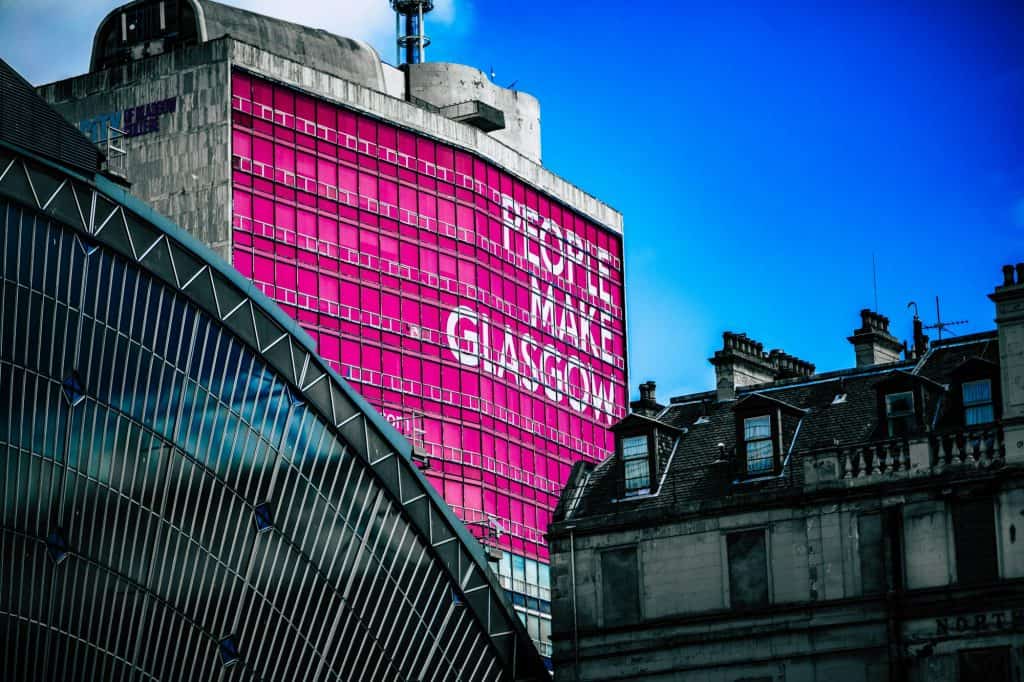
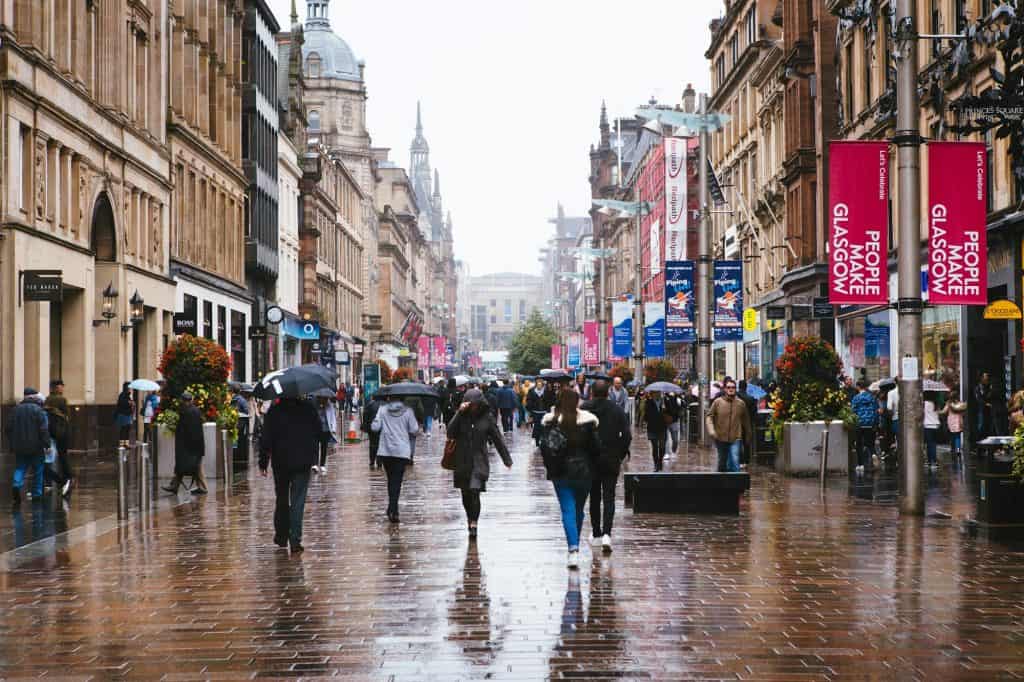
Glasgow gives you Scottish English in the real world – including the famous Glaswegian accent. It can sound fast at first, with different vowel sounds and a clipped rhythm, plus local words you’ll hear on repeat (things like “wee” for small). That’s the point: you learn the skills that actually matter in the UK – asking people to repeat, catching meaning from context, and staying relaxed when you miss a word.
The city is also built for repeatable practice. Glasgow’s centre is busy (Buchanan Street, Central Station, the riverfront), but it isn’t as overwhelming as London. You’ll end up doing the same useful tasks again and again: ordering food, buying tickets, asking directions, sorting everyday errands. Repetition happens naturally because the city has clear hubs: the City Centre, the West End around the University of Glasgow, and the Merchant City.
Glasgow’s people and student culture help your speaking. There’s a directness here that’s usually kind, not harsh, and humour is a normal part of conversation. You’ll practise English in low-pressure places: cafés near Kelvingrove, the subway, supermarkets, pubs, and live music queues. If you’re shy, Glasgow is the sort of city that gives you chances to speak without forcing you to “perform”.
Glasgow gives you breadth with edge. You’ve got world-class museums like Kelvingrove Art Gallery and Museum, modern spaces like the Riverside Museum, and a proper gig circuit (King Tut’s Wah Wah Hut, Barrowland Ballroom, the OVO Hydro). It’s not a museum-city where you quietly look at things. It’s a city where you talk – about football, music, food, weather, plans – and that’s where your vocabulary sticks.
Ready to study in Glasgow?

Weekdays feel active: classes, lunch in town, then study in a café in the West End or a walk through Kelvingrove Park or Glasgow Green. Evenings are genuinely social – pubs, comedy, and live music are part of everyday life, not a special occasion. Weekends split two ways: city plans (markets, museums, football) or a quick escape to Loch Lomond, the Clyde coast, or a short train to Edinburgh when you want a different pace.
Scale & course choice: Large city with solid choice across levels and common exams; London still offers the widest specialist range.
Accommodation & costs: Often better value than London and usually cheaper than Edinburgh. Prices rise in term time; living slightly out (with subway/train links) can improve value.
Getting around: Walkable centre; the Subway covers key areas; buses and trains fill the gaps. Glasgow has two main stations (Central and Queen Street) for wider Scotland travel.
Weather: Classic west-coast Scotland – mild but wet, with plenty of wind. Pack layers and a waterproof you’ll actually use.
Safety: Like any big city, it varies by area. Stick to well-lit routes at night and be sensible around busy transport hubs and nightlife streets.
Visas: Some accredited providers can support visa routes. Always check GOV.UK and confirm visa support with your chosen school.
Glasgow is a great fit if you want:
A big city with a strong local character and a friendly, chatty social culture.
Real Scottish English exposure – great if you want listening confidence beyond “standard” accents.
A music and nightlife scene that makes meeting people feel easy (West End, Merchant City, gigs most nights).
Good value for a major UK city, with easy day trips to lochs, coast and Highlands edges.
Consider another city if you want:
A polished, postcard capital feel with lots of tourists and festivals (try Edinburgh).
A calmer, smaller base where everything is quiet and walkable (try Bath, Canterbury).
Mostly neutral Southern English day to day (try Oxford, Cambridge).
Prefer the full form? Go to enquiry page
Browse accredited English language schools in Glasgow below. Each profile shows course types, weekly hours, facilities and visa support. Enquiries go direct to schools – no commission or booking fees. Most schools reply within 1-2 working days.
Not sure Glasgow is right?
No schools are currently linked to this city.
Visa fees, tuition costs, and entry requirements on this page were verified in February 2026. Rules…
Read More
Accommodation prices on this page were verified in February 2026. Rates vary by season and provider…
Read More
Prices on this page were verified in February 2026. Visa fees may change — check GOV.UK…
Read More
IELTS score requirements and test fees on this page were verified in February 2026. Universities update…
Read More
Pre-sessional course fees on this page were verified in February 2026. Universities and language schools update…
Read More
Visa rules and fees on this page were verified in February 2026. Immigration rules change frequently…
Read More
Do you need a visa? Whether you need a visa to study English in the UK…
Read More
Moving to a new country — even for a few weeks — takes some preparation. This…
Read More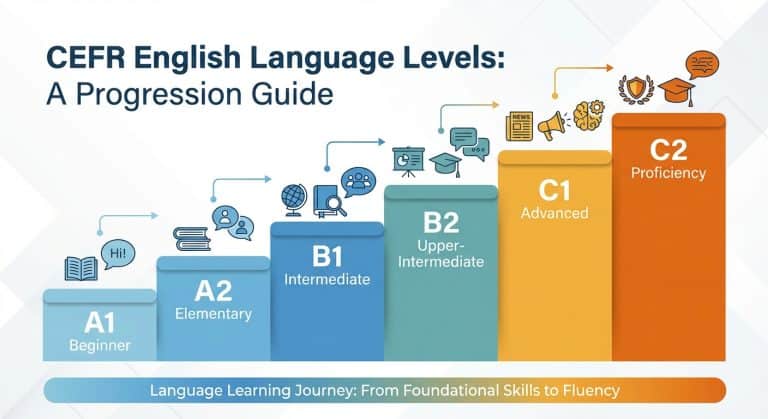
What is the CEFR? The Common European Framework of Reference for Languages (CEFR) is the international…
Read More