

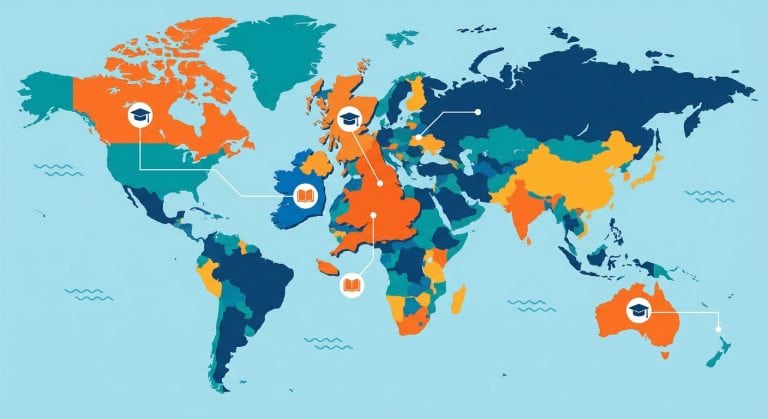
Study English in the UK vs Other Countries: How Does the UK Compare?
Visa fees, tuition costs, and entry requirements on this page were verified in February 2026. Rules…
Read More

Northern Ireland
A compact capital with cultural depth, friendly people, and good value for international students.
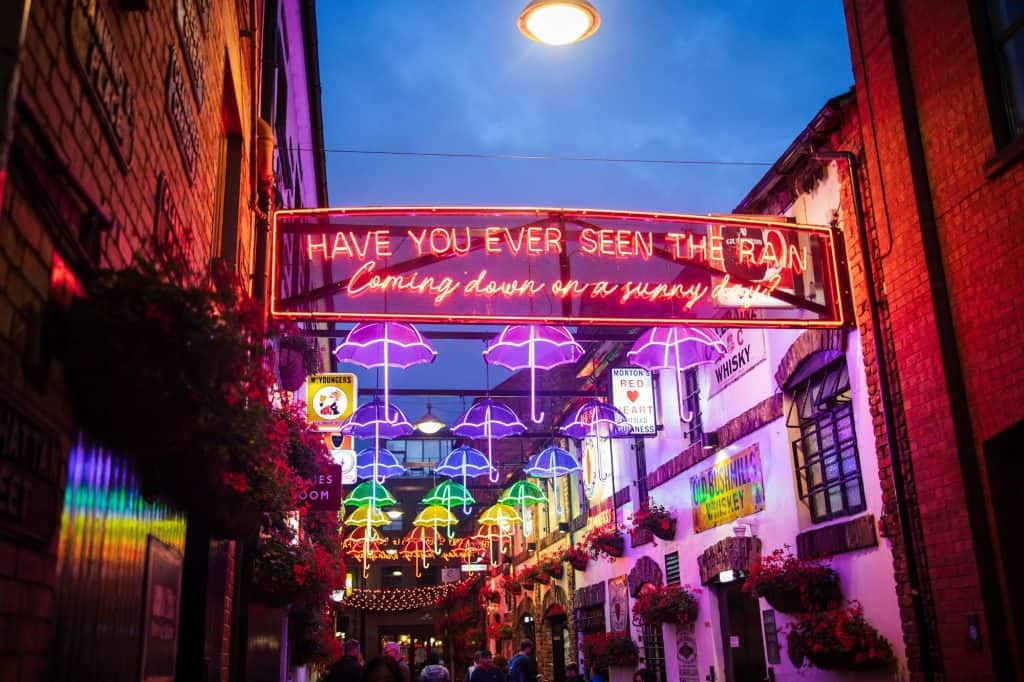
Belfast gives you clear everyday English with real Northern Irish character. You’ll hear Northern Irish English day to day, and the Belfast accent can feel quicker than southern England, with different vowel sounds and a musical intonation. In most shops, cafés and workplaces you’ll still hear clear speech, and after a couple of weeks the local patterns start to stick.
People tend to be straightforward and chatty once you start. You’ll practise English in low-pressure, repeatable moments: ordering food at St George’s Market, asking for directions around City Hall, chatting on the Glider, or making small talk in cafés and pubs around the Cathedral Quarter. Because the city is compact, you keep bumping into the same routines – and that repetition does the heavy lifting.
You’re not in a student-only bubble. Belfast has university energy (Queen’s University and the Botanic area), locals who’ve lived here for generations, and visitors who come for Titanic Quarter, music, and history. In class, the vibe is often grounded: students who choose Belfast tend to use English outside school.
Culturally, Belfast offers depth with context. Titanic Belfast and the shipyard legacy, murals and neighbourhood history, the Ulster Museum, live music, and theatre – it’s all close enough to become part of your routine. When you want air and space, you’ve got Cave Hill and easy day trips to the Causeway Coast and the Antrim Glens.
Ready to study in Belfast?

Weekdays feel balanced: classes, lunch in the centre, then study near Botanic or a walk through Botanic Gardens. Evenings are social without being overwhelming – pubs and live music in the Cathedral Quarter, casual food spots, comedy and small venues. Weekends are the reset: Cave Hill, the North Coast, or a day trip towards the Giant’s Causeway area.
Scale & course choice: Smaller capital scale. Expect solid core courses and common exam prep; fewer niche options than London.
Accommodation & costs: Often better value than London and many southern cities. Popular areas (near Botanic/Stranmillis) can cost more; looking slightly out usually improves space and price.
Getting around: Walkable centre; buses and the Glider cover main routes; trains connect to coastal towns. Two airports (Belfast City and Belfast International) make travel simple.
Weather: Atlantic-influenced – mild but changeable, with plenty of rain and wind. Pack layers and a waterproof you’ll actually use.
Safety: Generally fine in central areas, but some neighbourhood lines are still sensitive. Stick to well-known routes at night and take local advice if you’re exploring murals or new areas.
Visas: Some accredited providers can support visa routes. Always check GOV.UK and confirm visa support with your chosen school.


Belfast is a great fit if you want:
A smaller capital where you can build a routine fast and still have city life on your doorstep.
Clear, lively Northern Irish English and the confidence to handle real regional accents.
Cultural depth rather than endless choice: history, music, museums, and neighbourhood character.
Good value compared with many UK “headline” cities, plus easy access to nature and coast.
Consider another city if you want:
A huge choice of schools and specialist course types (London usually offers the widest range).
A glossy, tourist-polished city centre feel (try Edinburgh).
A warmer climate and outdoor summer lifestyle (try Brighton, Bournemouth).
Prefer the full form? Go to enquiry page
Browse accredited English language schools in Belfast below. Each profile shows course types, weekly hours, facilities and visa support. Enquiries go direct to schools – no commission or booking fees. Most schools reply within 1-2 working days.
Not sure Belfast is right?
No schools are currently linked to this city.
Visa fees, tuition costs, and entry requirements on this page were verified in February 2026. Rules…
Read More
Accommodation prices on this page were verified in February 2026. Rates vary by season and provider…
Read More
Prices on this page were verified in February 2026. Visa fees may change — check GOV.UK…
Read More
IELTS score requirements and test fees on this page were verified in February 2026. Universities update…
Read More
Pre-sessional course fees on this page were verified in February 2026. Universities and language schools update…
Read More
Visa rules and fees on this page were verified in February 2026. Immigration rules change frequently…
Read More
Do you need a visa? Whether you need a visa to study English in the UK…
Read More
Moving to a new country — even for a few weeks — takes some preparation. This…
Read More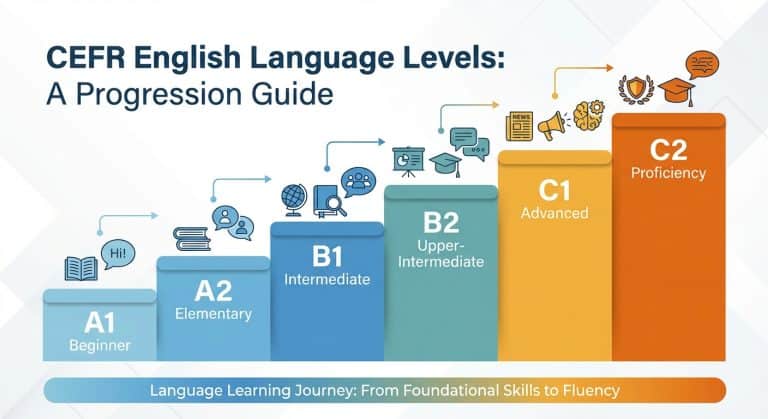
What is the CEFR? The Common European Framework of Reference for Languages (CEFR) is the international…
Read More