

Tuition fees are only part of what you will spend while studying English in the UK. Understanding your living costs before you arrive helps you budget realistically and avoid surprises. This guide breaks down what international students typically spend on accommodation, food, transport, and everyday expenses in different UK cities.
Costs and fees on this page were verified in February 2026. Transport fares and visa requirements may change — check official sources for the latest figures.
Accommodation
Where you live will be your biggest expense after tuition. The main options for English language students are:
- Homestay — Living with a local family, usually in a private bedroom with meals included (half-board or full-board). Expect to pay £205 to £350 per week in London, or £150 to £250 outside London. Homestay is popular because it gives you daily English practice and a ready-made support network. London Homestays arranges vetted host families across London for students studying at accredited schools.
- Student residence — Purpose-built accommodation with a private or shared room, communal kitchen, and social spaces. Costs range from £350 to £700 per week in London, and £250 to £500 in other cities. Residences suit students who want independence and an easy way to meet other students. UK Student Residences offers managed accommodation in London designed for international students.
- Shared flat or house — Renting a room in a shared private rental is possible for longer stays but harder to arrange from abroad. It usually requires a minimum lease of 6 to 12 months, a deposit of several weeks’ rent, and you will pay bills on top. Most English language students find homestay or a student residence simpler and more cost-effective once meals and bills are factored in.
Food and groceries
If your accommodation includes meals (homestay or catered residence), your food costs will be much lower. For self-catering students, budget around £50 to £80 per week for groceries if you cook at home. Supermarkets like Aldi, Lidl, and Tesco offer good value. Eating out adds up quickly — a simple lunch in London costs £8 to £15, while a meal at a mid-range restaurant is £15 to £30.
Outside London, food is generally 10 to 20 percent cheaper. Students on tight budgets often cook in batches at the weekend to save time and money during the week.
Transport
Getting around depends heavily on which city you are studying in:
- London — An 18+ Student Oyster card gives you 30 percent off Travelcards and bus passes. A Zone 1–2 monthly Travelcard costs around £172 (full price) or £120 with the student discount. Most students spend £100 to £140 per month on transport. Many areas are also walkable, and cycling is free with your own bike.
- Other major cities (Manchester, Birmingham, Edinburgh, Bristol) — Monthly bus passes cost £50 to £80, and many language schools are in walkable city centres. Transport costs tend to be lower than London because distances are shorter.
- Smaller cities (Cambridge, Brighton, York) — Many students walk or cycle everywhere. A monthly bus pass is £40 to £60 if you need one.
Mobile phone
A UK SIM-only plan costs as little as £5 to £15 per month for data, calls, and texts. The main networks are Three, EE, Vodafone, and O2. Pay-as-you-go SIMs are available from supermarkets and phone shops without a contract. Most students buy a SIM on arrival — you just need an unlocked phone.
Social life and entertainment
Budget £30 to £80 per week for socialising, depending on your habits and city. Museums in London are mostly free, and student discounts are widely available for cinema, theatre, and attractions (bring your student ID or get an NUS/TOTUM card). A coffee costs £3 to £5, a pint of beer £4 to £7 depending on the city.
Many language schools organise free or low-cost social events — film nights, conversation clubs, walking tours — which are a great way to socialise without spending much.
Other costs to plan for
- Health insurance — If you are studying on a Standard Visitor entry (up to 6 months), you will not have access to free NHS treatment. Students on the 11-month Short-term Study Visa pay the Immigration Health Surcharge which covers NHS access, but travel insurance is still recommended for repatriation and trip cancellation cover. A policy covering 3 to 6 months typically costs £80 to £200.
- Course materials — Most schools include books in the tuition fee. If not, expect to pay £30 to £50 for a coursebook.
- Laundry — Laundrettes charge £4 to £8 per wash and dry. Homestay families usually offer laundry as part of the arrangement.
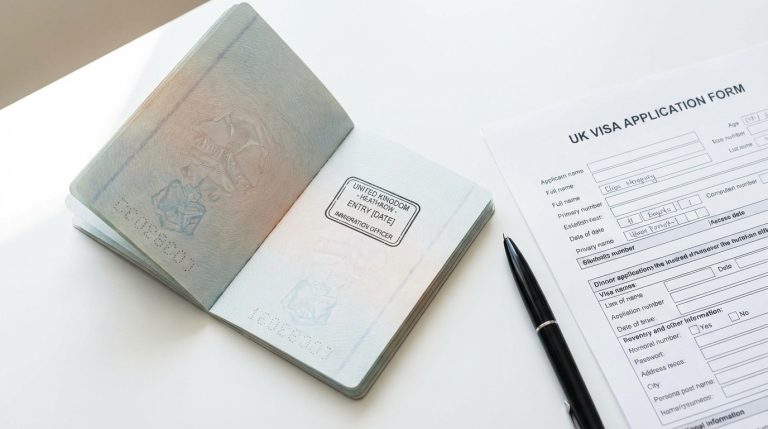
- Visa costs — A Standard Visitor visa (for courses up to 6 months) costs £127. The 11-month Short-term Study Visa for English language courses costs £214 plus a £776 healthcare surcharge. See our visa guide for full details.
Monthly budget estimates
These estimates assume self-catering accommodation and cover all living costs except tuition:
| Expense | London (per month) | Other cities (per month) |
|---|---|---|
| Accommodation | £800–£1,400 | £500–£900 |
| Food and groceries | £250–£350 | £200–£300 |
| Transport | £100–£140 | £40–£80 |
| Mobile phone | £10–£15 | £10–£15 |
| Social and entertainment | £120–£300 | £100–£250 |
| Total | £1,280–£2,205 | £850–£1,545 |
Homestay accommodation often brings costs down significantly because meals are included — a full-board homestay in London replaces your separate accommodation and food budgets with a single weekly fee of £250 to £350.
Tips for keeping costs down
- Compare different cities — accommodation and transport costs vary across the UK, with options to suit every budget. See our guide to the best cities for studying English.
- Book homestay with meals to combine accommodation and food into one predictable cost.
- Cook at home and shop at budget supermarkets (Aldi, Lidl, Tesco).
- Get a student discount card — TOTUM (formerly NUS Extra) costs £15 a year and works in thousands of shops, restaurants, and attractions.
- Walk or cycle — many UK cities are compact enough to get around without public transport.
- Use the school’s social programme — free events save money and help you practise English.
How much should I bring?
As a rough guide, plan for £1,000 to £1,500 per month in London or £800 to £1,200 outside London, plus your tuition fees. If you are staying with a homestay family with meals, you can budget at the lower end. For a detailed look at course fees, see How much does an English course in the UK cost?
Use our Course Finder to compare courses and prices across the UK — we show real prices with no hidden charges.
Frequently asked questions
Is London more expensive than other UK cities?
London is more expensive for accommodation and transport, though the gap narrows when you factor in London’s free museums, extensive public transport network, and the sheer number of language schools competing on price. Many students find the extra cost worthwhile for the career opportunities, cultural life, and international community that London offers. Homestay in London is a particularly good way to manage costs, since meals and bills are included in one weekly fee.
Is homestay cheaper than renting a flat?
It depends on what is included. Homestay fees include meals and bills, so your total monthly spend can be lower than renting a flat where you pay rent plus food plus utilities separately. Homestay is especially cost-effective for shorter stays of 1 to 3 months.
Can I work while studying English in the UK?
If you are on a Short-term Study Visa (up to 11 months), you are not allowed to work. If you have a Student Visa for a longer course at a licensed sponsor, you may be able to work up to 20 hours a week during term time. Check the conditions on your specific visa.
Do I need to open a UK bank account?
For short courses (a few weeks to 3 months), a UK bank account is not essential — most shops accept contactless payments from international debit or credit cards. For longer stays, a UK account helps you avoid currency conversion fees. Some digital banks like Monzo and Starling let you open an account with just your passport.
How much money do I need to show for a UK visa?
For a Student Visa, you need to show you can cover your course fees plus living costs — currently £1,529 per month for London or £1,171 per month outside London, held for 28 consecutive days. Short-term Study Visa applicants are not required to show a specific amount but should demonstrate they can support themselves.
Are course materials included in the tuition fee?
Most accredited schools include coursebooks and materials in the tuition fee. Some charge a small materials fee of £30 to £50. Check with your school before you arrive so you know what to expect.